Chest exercises can help you get a more defined cleavage line by maintaining your chest muscles. They won’t increase your breast size, but they can improve your posture, build your upper chest, and create a firmer, more lifted look.
Many women follow a chest workout hoping it will make their breasts bigger. That doesn’t happen because breasts are mostly made of fatty tissue, not muscle.
Your pectoral muscles sit underneath your breasts, so exercising them changes the shape of your upper chest, not your breast tissue.
You can improve your cleavage appearance naturally. The right chest exercises, a supportive bra, flattering necklines, and clothes that suit your body shape can all make your chest look more defined and balanced.
At ClevCulture, we help you dress with confidence.
Our styling experts share practical advice on choosing the right bras, clothing, and styling techniques for your body shape.
Can Exercise Create a Cleavage Line?
Yes, but only indirectly.
Exercise doesn’t change your breast tissue, but it can improve the appearance of your chest.
Your breasts rest on top of the pectoral muscles.
As these muscles become stronger, they create a firmer foundation beneath your breasts, which can improve how your chest looks.
Regular chest exercises can improve your posture, increase upper chest definition, create a firmer appearance, make the area between your breasts look more defined, and help clothes fit better around your upper body.
Instead of creating larger breasts, exercise helps enhance your natural shape. When you combine stronger chest muscles with supportive bras and well-fitted clothing, your cleavage can appear more noticeable.
What Actually Creates Cleavage?
Many people think breast size is the only thing that creates cleavage, but several factors work together to shape how your neckline looks.
Breast Shape
Your natural breast shape has the biggest influence on your cleavage. Some breasts naturally sit closer together, while others have more space between them. Although exercise can’t change your breast shape, it can improve the appearance of the muscles underneath.
Body Composition
Breasts contain fatty tissue, so changes in body fat can affect their size and fullness. Maintaining a healthy body composition may also change how your cleavage looks over time.
Chest Muscles
Strong pectoral muscles provide better support beneath your breasts. While they don’t increase breast size, they can make your upper chest look firmer and more toned.
Posture
Good posture can instantly improve your appearance. Standing tall with your shoulders relaxed and your chest open naturally creates a more lifted and confident look.
Supportive Undergarments
The right bra can make a noticeable difference. Plunge bras, push-up bras, adhesive bras, and other supportive solutions help bring the breasts closer together to create a more defined cleavage line.
Clothing Choices
Your outfit also affects how your cleavage looks. V-neck tops, sweetheart necklines, wrap dresses, and structured clothing naturally draw attention to your neckline and enhance your overall silhouette.
8 Effective Chest Exercises for a Stronger, More Sculpted Upper Body
These exercises target your pectoral muscles to improve upper-body strength, support better posture, and create a firmer, more toned chest.
They won’t increase breast size, but building the muscles beneath the breast tissue can enhance your natural shape and give your chest a more lifted appearance over time.
1. Standard Push-Ups
Push-ups are a classic strength exercise that activates your chest, shoulders, arms, and core all at once. They build functional upper-body strength without any equipment.
Position your hands slightly wider than your shoulders and extend your legs behind you to form a straight line from head to heels.
Bend your elbows to lower your chest toward the floor, then press through your palms to return to the starting position.
Sets: 3
Reps: 10 to 15
Beginner Tip
If full push-ups feel too challenging, perform the movement from your knees first. Switch to standard push-ups as you become stronger.
2. Elevated Push-Ups
Elevated push-ups reduce the amount of body weight you lift, making them ideal for beginners while still strengthening your chest and arms.
Place your hands on a stable surface such as a bench, sturdy table, or countertop. Keep your body aligned from head to heels. Lower your chest toward the surface, then push yourself back until your arms straighten.
Sets: 3
Reps: 12 to 15
This variation helps you develop the strength needed for regular push-ups.
3. Dumbbell Press
The dumbbell press builds chest strength while improving shoulder control and stability.
Lie on a flat bench or the floor with a dumbbell in each hand. Position the weights beside your chest with your elbows bent. Drive the dumbbells upward until your arms nearly lock out, then lower them in a slow, controlled motion.
Sets: 3
Reps: 10 to 12
Use controlled movements instead of rushing through each repetition. Proper technique produces better results than heavier weights.
4. Dumbbell Fly
This movement trains your chest through a wide range of motion, helping improve muscle tone and definition.
Lie on a flat bench while holding a dumbbell above your chest in each hand. Maintain a slight bend in your elbows as you open your arms outward in a wide arc. Bring the dumbbells back together over your chest to complete the repetition.
Sets: 3
Reps: 12
Select a weight that allows you to move smoothly without losing control.
5. Wall Push-Ups
Wall push-ups offer a gentle introduction to chest training and place minimal stress on your wrists and shoulders.
Stand facing a wall with your hands placed at shoulder level. Bend your elbows to move your body closer to the wall, then press away until your arms fully extend.
Sets: 3
Reps: 15
Once this variation becomes easy, advance to elevated push-ups before trying standard push-ups.
6. Resistance Band Press
A resistance band keeps your chest muscles engaged throughout the entire movement, making it an excellent option for home workouts.
Anchor the resistance band behind you and grip one handle in each hand. Push your hands straight forward until your arms extend, then return to the starting position with steady control.
Sets: 3
Reps: 12 to 15
This exercise works well when you don’t have dumbbells or access to a gym.
7. Incline Dumbbell Press
Changing the bench angle shifts more work to your upper chest, helping create balanced muscle development.
Adjust a workout bench to a slight incline. Hold a dumbbell in each hand at chest level and press the weights upward until your arms nearly straighten. Lower the dumbbells slowly before beginning the next repetition.
Sets: 3
Reps: 10 to 12
Training the upper chest can contribute to a firmer, more defined appearance.
8. Plank to Push-Up
This dynamic exercise challenges your chest while strengthening your shoulders, arms, and core. It also improves coordination and stability.
Begin in a forearm plank. Press one hand into the floor, followed by the other, until you reach a high plank. Lower one forearm at a time to return to the starting position, alternating the leading arm with each repetition.
Sets: 3
Reps: 10
Keep your hips steady and your core engaged to maintain proper form from start to finish.
Sample Weekly Chest Workout Plan
Consistency gives you better results than training too hard for a few days. Aim to train your chest two to three times a week and allow enough time for your muscles to recover between workouts.
| Day | Workout |
| Monday | Push-Ups, Chest Press, Chest Fly |
| Tuesday | Rest or lower-body workout |
| Wednesday | Incline Push-Ups, Resistance Band Press |
| Thursday | Active recovery or stretching |
| Friday | Incline Press, Plank to Push-Up |
| Saturday | Full-body workout |
| Sunday | Rest |
Give your muscles at least one day to recover between chest workouts. Recovery helps your muscles repair, grow stronger, and perform better during your next training session.
How Long Does It Take to See Results?
Most people notice an improvement in strength within a few weeks of training consistently. Visible changes in your chest usually take longer and depend on your fitness level, workout routine, nutrition, and overall body composition.
Instead of focusing only on appearance, pay attention to how you feel. Better posture, increased strength, and improved confidence are often the first signs that your workouts are working.
Stay consistent, follow a balanced workout routine, and give your body enough time to recover. Small improvements each week lead to lasting results over time.
5 Common Mistakes That Can Limit Your Results
Many people don’t see the results they want because they expect too much from chest exercises or make simple training mistakes.
Avoiding these common mistakes will help you build strength, improve muscle definition, and get the most from your workouts.
1. Expecting Exercise to Increase Breast Size
One of the biggest myths is that chest exercises make your breasts bigger.
Exercise strengthens the muscles underneath your breasts, but it doesn’t increase breast tissue.
As your chest muscles become stronger, they can create a firmer, more defined appearance that enhances your natural shape.
If your goal is to make your chest look more defined, combine regular exercise with supportive bras, flattering clothing, and good posture instead of expecting dramatic changes from workouts alone.
2. Ignoring Posture
Poor posture can make your chest look flatter than it actually is.
Standing with rounded shoulders causes your upper body to slump forward. Instead, keep your shoulders relaxed, your chest open, and your head aligned with your spine. Good posture instantly creates a more lifted and confident appearance while helping your chest exercises work more effectively.
3. Using Poor Exercise Form
Good technique matters more than lifting heavy weights.
Rushing through your workouts or using incorrect form reduces muscle engagement and increases your risk of injury. Perform each repetition slowly, control every movement, and focus on working your chest muscles instead of simply finishing the exercise.
4. Training Too Often
Your muscles need time to recover and grow stronger.
Training your chest every day won’t speed up your results. Instead, it can lead to soreness, fatigue, and slower progress. Aim for two or three chest workouts each week and give your muscles at least one day to recover between sessions.
5. Forgetting Overall Fitness
Chest workouts are only one part of building a stronger, healthier body.
A balanced fitness routine that includes strength training, cardio, healthy eating, and quality sleep supports muscle growth and improves your overall body composition. When you take care of your whole body, you’ll see better long-term results than focusing on one muscle group alone.
Natural Styling Tips to Enhance Cleavage
Exercise can improve your upper chest, but the right styling choices can make an even bigger difference.
Choosing clothes and undergarments that suit your body shape helps create a naturally flattering neckline.
1- Choose the Right Neckline
Different necklines create different effects.
V-neck tops naturally draw attention toward the center of your chest, while sweetheart necklines enhance your natural curves. Scoop necks create a softer look, and wrap dresses help define your shape without adding bulk.
2- Wear a Well-Fitted Bra
A supportive bra can instantly improve how your chest looks under clothing.
Plunge bras, push-up bras, adhesive bras, and lift tape can help create a more defined cleavage line for different outfits. If your everyday bra doesn’t fit properly, it may not provide the support or shape you need.
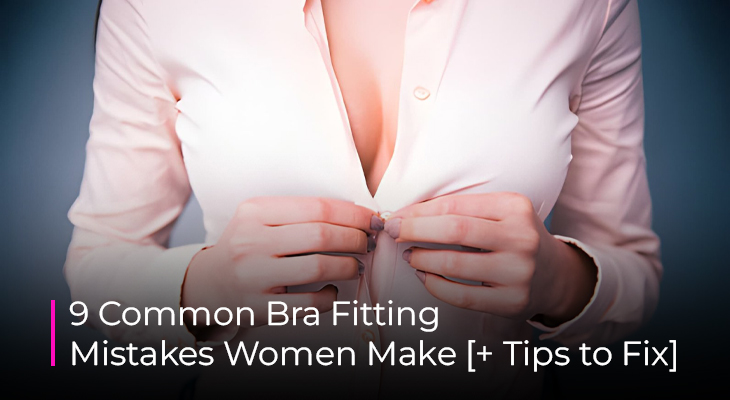
You can also read my guide on common bra fitting mistakes to learn how the right fit can improve both comfort and appearance.
3- Wear Clothes That Fit Properly
Clothes that fit well create a more balanced silhouette.
Very loose clothing can hide your natural shape, while overly tight clothing may feel uncomfortable and create an unflattering fit.
Choose outfits that fit your body comfortably and highlight your natural proportions.
4- Stand With Good Posture
Good posture can improve your appearance immediately.
Keep your shoulders relaxed, your chest open, and your head aligned with your spine. This simple habit helps you look taller, more confident, and naturally enhances your neckline.
Expert Styling Tips from Ms. Anaya Mirza
As a personal stylist, I have learned that creating a flattering neckline isn’t about changing your body.
It’s about wearing clothes that suit your shape and making smart styling choices.
Always try on your complete outfit before an important event, including the bra or undergarments you plan to wear.
Small changes like choosing a different neckline or wearing a better-fitting bra can completely change how an outfit looks.
I also encourage my clients to combine healthy habits with thoughtful styling.
Exercise, good posture, supportive undergarments, and well-fitted clothing work together to create the best results.
Instead of chasing unrealistic beauty standards, focus on wearing outfits that make you feel comfortable and confident.
Find Styles That Flatter Your Shape!
Exercise can strengthen your body, but the right styling choices can enhance your natural shape even more. Choosing the right neckline, bra, and outfit helps you feel comfortable and confident for every occasion.
If you’d like expert advice for your body shape and personal style, book a session with ClevCulture’s Personal Stylist.
If you are updating your everyday wardrobe or shopping for a special event, our professional stylists will help you create flattering looks that fit your lifestyle and make getting dressed easier.